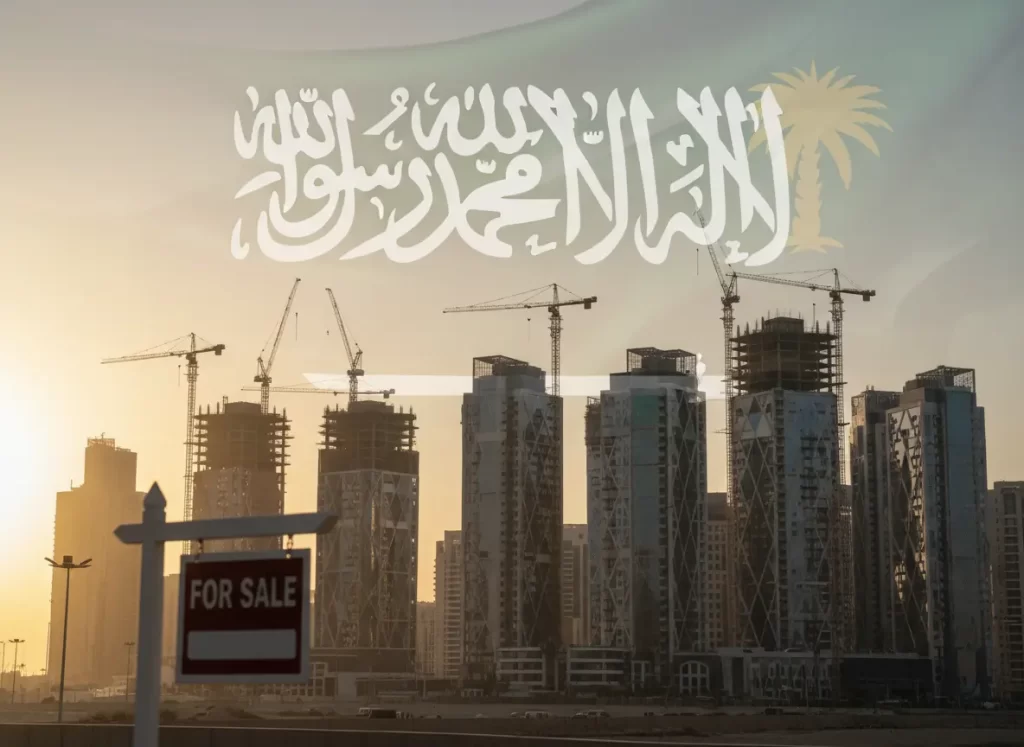
Saudi Arabia is set to broaden access to its property market by permitting foreign nationals to own real estate in most cities, a move expected to increase international investment, support housing supply, and accelerate the Kingdom’s wider economic diversification agenda.
The policy shift signals a continued opening of the Saudi economy and aligns with efforts to attract global capital into non-oil sectors. Real estate has become a central pillar of that strategy, driven by large-scale urban development, infrastructure upgrades, and rising demand across residential, hospitality, logistics, and commercial segments.
What the change means
Allowing foreign nationals to own property across most Saudi cities could reshape market dynamics in several ways:
- Broader investor participation: International buyers and long-term residents may gain clearer pathways to purchase homes and investment properties.
- More liquidity in the market: Expanded buyer pools typically support transaction volumes and can improve price discovery.
- Greater confidence for developers: Developers may see stronger demand signals, particularly in mixed-use, residential communities, and branded residences.
- A boost for related sectors: Construction, property services, mortgage finance, and legal advisory services could benefit from higher activity.
While the full details are expected to clarify eligibility, property types, and any city-specific restrictions, the direction is consistent: Saudi Arabia is positioning real estate as an investable, globally accessible asset class.
Why Saudi Arabia is opening the market
Saudi Arabia’s reform agenda has increasingly focused on making the Kingdom more attractive for global talent and capital. Real estate ownership can play a practical role in that effort by:
- Supporting long-term residency and relocation decisions for expatriate professionals and entrepreneurs
- Encouraging institutional investment into income-generating assets such as apartments, offices, retail, and logistics facilities
- Strengthening the investment case for tourism and hospitality projects, where international participation can accelerate development
The move also complements ongoing initiatives to modernize regulations, improve transparency, and expand financing options—elements that international investors typically view as essential.
Potential impact on prices and demand
Market impact will likely vary by city and asset type. In high-demand hubs, increased foreign participation may add upward pressure on prices, particularly for well-located residential units and premium developments. In emerging cities, the effect may be more gradual, supporting steady absorption and encouraging new supply.
For end-users, the key question will be how ownership rules interact with affordability, mortgage access, and the pace of new housing delivery. For investors, attention will focus on rental yields, occupancy trends, and the stability of regulatory frameworks.
What investors will watch next
As implementation details emerge, market participants will look for clarity on:
- Eligibility criteria (residency status, minimum investment thresholds, or permitted buyer categories)
- Property types included (residential, commercial, land, off-plan units)
- Geographic scope and any exclusions
- Registration and compliance requirements (title registration, taxes, fees, and reporting)
- Financing availability for foreign buyers
These factors will determine how quickly demand materializes and which segments see the strongest uplift.
Outlook
Saudi Arabia’s decision to permit foreign nationals to own real estate in most cities marks a significant step in the Kingdom’s ongoing economic transformation. If executed with clear rules and strong market safeguards, the change could deepen investment flows, improve market maturity, and further integrate Saudi real estate into global capital markets.
For developers, investors, and long-term residents, the coming months will be defined by the fine print—but the strategic message is already clear: Saudi Arabia is opening more doors to international participation in one of its most important growth sectors.
Cosmopolitan The Daily provides comprehensive business news coverage across Finance, Technology, Energy, and Real Estate sectors, serving business leaders and decision-makers globally from offices in Bangalore, New York, Toronto, London, Dubai, Kuala Lumpur, and Sydney.