Saudi Capital Emerges as Regional Investment Hotspot Amid Vision 2030 Transformation
Riyadh, Saudi Arabia – The Saudi capital’s real estate sector is experiencing unprecedented growth, with residential property sales surging to record levels as the kingdom’s Vision 2030 economic diversification program continues to reshape the urban landscape and attract both domestic and international investment.
Market Performance Exceeds Expectations
Recent data reveals that Riyadh’s residential real estate transactions have increased substantially, driven by a combination of government initiatives, infrastructure development, and growing demand from a young, urbanizing population. The city’s property market has emerged as one of the most dynamic in the Middle East, with transaction volumes and property values climbing steadily throughout 2025.
Industry analysts attribute the surge to several converging factors: enhanced mortgage accessibility, competitive financing rates, and the Saudi government’s commitment to increasing homeownership rates among citizens. The Real Estate General Authority has reported that residential sales in the capital have outpaced projections, signaling robust confidence in the market’s long-term trajectory.
Vision 2030 Catalyzes Urban Transformation
Saudi Arabia’s ambitious Vision 2030 reform agenda has fundamentally transformed Riyadh’s real estate landscape. Mega-projects including the King Salman Park, Riyadh Metro, and numerous giga-projects have created substantial demand for residential properties across multiple price segments.
The government’s focus on improving quality of life and creating sustainable urban communities has attracted significant private sector investment. International developers and institutional investors are increasingly viewing Riyadh as a strategic entry point into the Gulf Cooperation Council (GCC) real estate market.
“Riyadh represents a unique convergence of demographic growth, economic reform, and infrastructure investment,” noted a senior executive at a leading regional property consultancy. “The residential market’s performance reflects fundamental demand drivers that position the city for sustained growth.”
Demographic Dynamics Fuel Demand
Saudi Arabia’s young population—with approximately 70% under the age of 35—is creating substantial housing demand. Government initiatives aimed at facilitating homeownership for first-time buyers have proven particularly effective in stimulating market activity.
The Sakani housing program, which provides subsidized mortgages and land grants, has enabled thousands of Saudi families to enter the property market. This policy-driven demand has complemented organic growth from the kingdom’s expanding middle class and the influx of professionals attracted by Riyadh’s evolving economic ecosystem.
Investment Climate Strengthens
The residential boom has attracted diverse investor profiles, from individual buyers seeking primary residences to institutional investors pursuing rental income opportunities. Riyadh’s rental market has tightened considerably, with occupancy rates climbing and rental yields improving across key districts.
Foreign direct investment in Saudi real estate has increased following regulatory reforms that expanded property ownership rights for expatriates and simplified investment procedures. International capital is flowing into residential developments, particularly in premium segments and mixed-use projects that align with evolving lifestyle preferences.
Infrastructure Development Drives Premium Segments
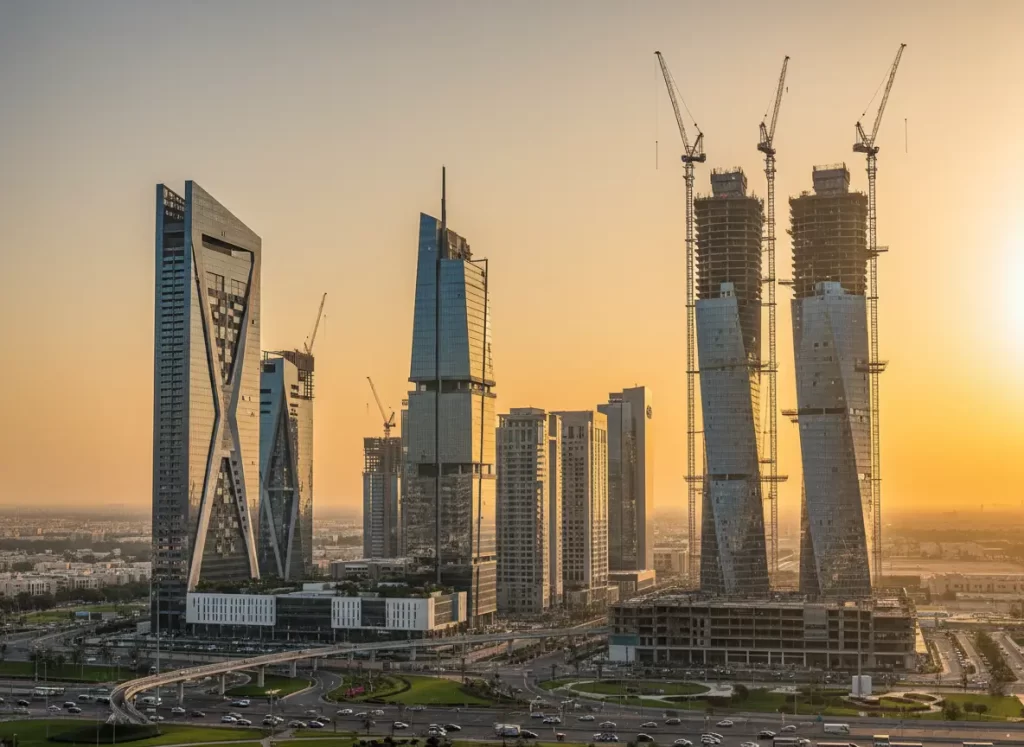
Major infrastructure projects are reshaping Riyadh’s geography and creating new residential hotspots. The Riyadh Metro, set to become one of the world’s largest automated rail networks, is driving property appreciation along its corridors. Districts with metro connectivity are commanding premium valuations as buyers prioritize accessibility and connectivity.
Northern Riyadh, traditionally the city’s most established residential area, continues to attract high-net-worth buyers, while emerging districts in the east and west are experiencing rapid development. Mixed-use communities integrating residential, commercial, and recreational facilities are particularly popular among younger buyers seeking modern urban lifestyles.
Challenges and Market Maturation
Despite robust growth, the market faces challenges including construction cost inflation, supply chain constraints, and the need for continued regulatory refinement. Industry stakeholders emphasize the importance of maintaining quality standards and ensuring sustainable development practices as the market scales.
Developers are increasingly focusing on energy efficiency, smart home technologies, and community amenities to differentiate their offerings in a competitive landscape. The shift toward sustainable building practices aligns with Saudi Arabia’s broader environmental commitments and appeals to environmentally conscious buyers.
Regional and Global Implications
Riyadh’s real estate surge has implications beyond Saudi borders. The city’s emergence as a regional business hub is attracting professionals from across the Middle East and beyond, creating demand for diverse housing options. This cosmopolitan influx is influencing design preferences and amenity expectations, pushing developers to adopt international best practices.
The residential market’s strength also reflects broader confidence in Saudi Arabia’s economic trajectory. As the kingdom diversifies away from oil dependence, real estate has emerged as a key pillar of non-oil GDP growth, contributing to employment, construction activity, and financial sector development.
Outlook: Sustained Growth Trajectory
Market forecasts suggest Riyadh’s residential sector will maintain strong momentum through the remainder of the decade. Continued government investment in infrastructure, ongoing Vision 2030 initiatives, and favorable demographic trends provide a solid foundation for sustained expansion.
However, stakeholders caution that maintaining market health will require balanced supply management, continued mortgage market development, and regulatory frameworks that protect buyer interests while encouraging investment. The next phase of growth will likely emphasize quality over quantity, with differentiation through design, sustainability, and community integration.
As Riyadh continues its transformation into a global city, its residential real estate market stands as a testament to the kingdom’s ambitious vision and the tangible progress being achieved. For investors, developers, and homebuyers alike, the Saudi capital represents a compelling opportunity in one of the world’s most dynamic emerging markets.
About Cosmopolitan The Daily
Cosmopolitan The Daily provides global business leaders with insights into finance, technology, energy, and real estate markets across five continents. With offices in New York, Toronto, London, Dubai, Bangalore, Kuala Lumpur, and Sydney, we deliver the intelligence that drives economic growth and recognition.